Best Practices Partner Toolkit

Divider line green, blue, black

Recreational and travel youth sports organizations must provide a safe and healthy environment for participating athletes, and becoming a Best Practices Partner demonstrates your organization’s commitment to that principle.

Any youth recreational and/or travel sports organization can become a Best Practices Partner!
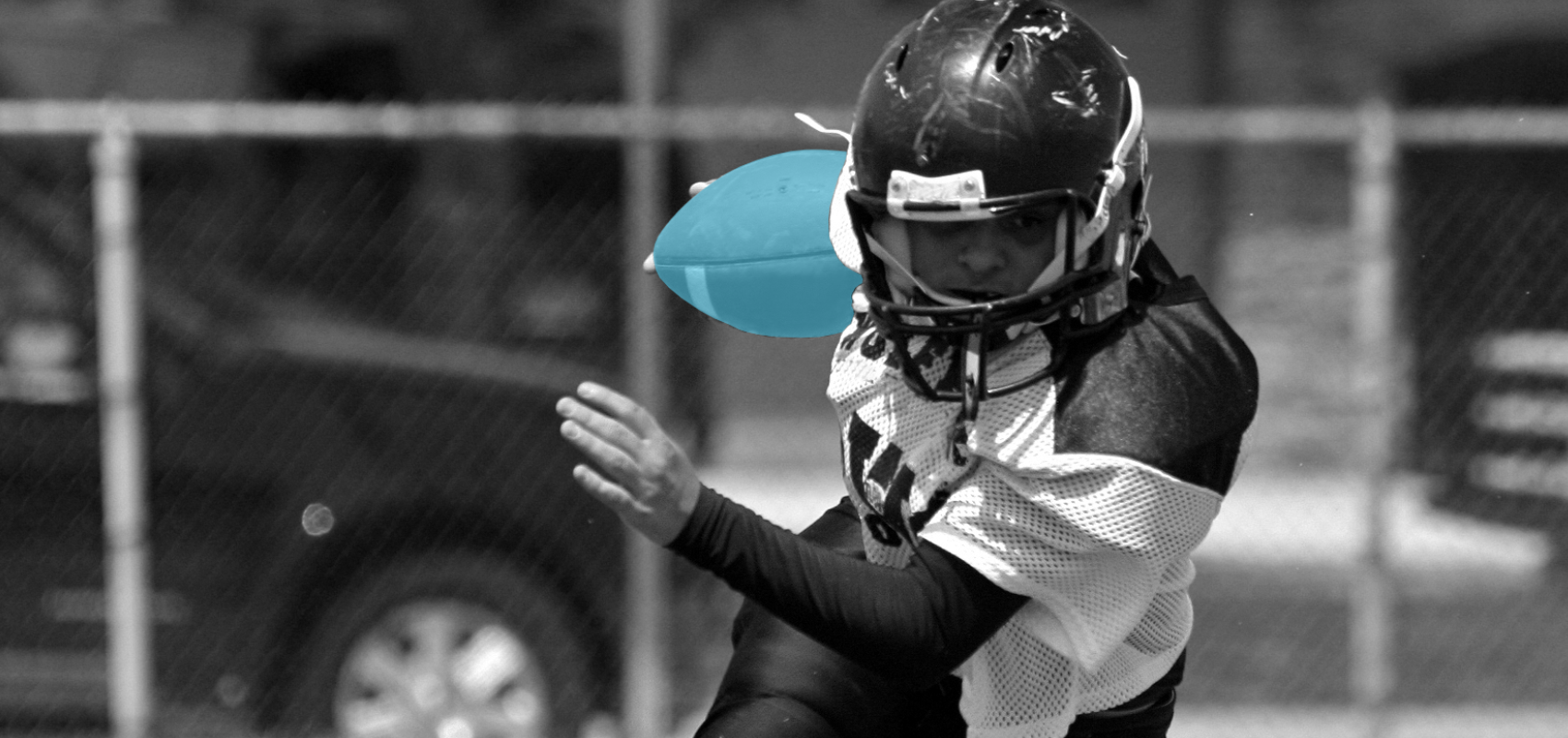
Boy running with football

Simply complete the form to receive your Best Practices Toolkit. Once your organization makes the commitment to become a Best Practices Partner, schedule time in an upcoming meeting to review the four core components of the Best Practices Partner Checklist and begin implementing them in your program.

Divider line green, blue, black

NYSHSI and Strategy 5 of the U.S. National Physical Activity Plan SPORT Sector

The first U.S. National Physical Activity Plan was unveiled in 2016 as a suite of policies, programs and initiatives aimed at increasing physical activity in the U.S. population.  

The plan includes a section called the SPORT Sector that is immediately relevant to NYSHSI’s mission, and within it are four tactics, known collectively as Strategy 5, that NYSHSI and its partner the Physical Activity Alliance (PAA), are focused on implementing:

  1. Establish policies and practices that ensure sports programs put the highest priority on the health and safety of participants.
  2. Educate parents, athletes, coaches, teachers and others about the signs and symptoms of sports injuries and conditions (e.g., brain injury, heat illness, and exertional sickling).
  3. Ensure that sports equipment, uniforms, playing surfaces and environmental conditions are checked for safety and best conditions.
  4. Encourage the importance of collaboration with medical professionals to ensure safe outcomes during play. 

GSSI Pre-Conference

The Physiology of Hydration: More Than Water Alone

This session explores the physiology of hydration through an integrated lens—examining how carbohydrate, sodium, flavor, and fluid interact to influence intake, absorption, retention, and performance. We’ll review current research on fluid balance, osmotic drivers, and palatability, highlighting mechanisms that underpin voluntary intake and thermoregulation. Attendees will gain insight into individualized strategies, including sweat profiling and timing approaches, to optimize euhydration and mitigate performance decrements associated with >2% body-mass loss. Practical applications will be linked to laboratory- and field-based research, ensuring translation from bench to field. This pre-conference equips you with evidence-based tools to support athlete hydration across diverse environments and sporting contexts. 

Divider line green, blue, black
  • Session 1: Sweating the detail: New insights on hydration considerations for athlete performance
    • Lewis James, PhD, Associate Professor in Human Nutrition in the School of Sport, Exercise and Health Sciences at Loughborough University
  • Session 2: Functional ingredients in fluid replacement beverages for athletes
    • Lindsay Baker, PhD, Director at the Gatorade Sports Science Institute
  • Session 3: The hydration toolkit: Practical approaches to athlete support
    • Floris Wardenaar, PhD, Associate Professor at the College of Health Solutions at Arizona State University