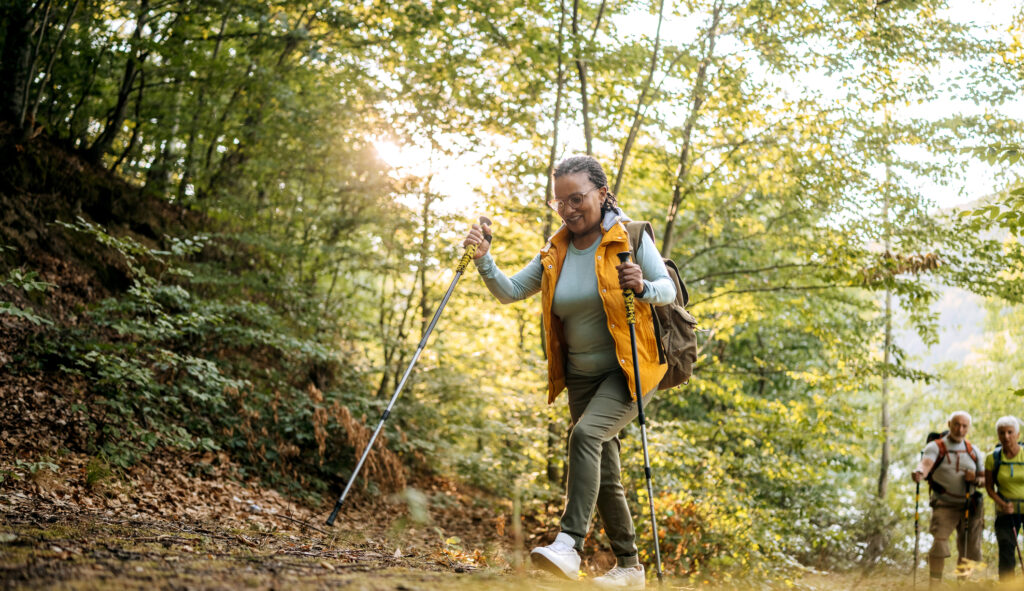
Aging

12,000 Americans celebrate their 65th birthday each day. Older adults often face unique health challenges, including decreased muscle mass, reduced bone density, mobility limitations, and higher risk of chronic diseases that can diminish independence and quality of life. Research over the past several decades has shown that regular physical activity and structured exercise programs can help older adults maintain strength, balance, cardiovascular health, and cognitive function. Exercise has also been linked to reduced risk of falls, improved management of chronic conditions, and enhanced overall well-being, making it a vital component of healthy aging. ACSM has curated resources on these issues that you can access below.

Divider line green, blue, black

Online Learning

Divider line green, blue, black
Being Active as We Get Older | Rx for Health
Our golden years can be powerful years. The older you are, the more you can
Active Voice | Exercise Improves Cerebrovascular Function in Older Adults with Mild Cognitive Impairment

Over the past decade, we have recognized that brain changes do not begin when cognitive

Being Active During the Perimenopausal Years | Rx for Health
Regular physical activity improves heart health, mood, and sleep, and may aid in reduction of
Being Active When You Have Osteoarthritis | Rx for Health
If you are one of the millions of people who have osteoarthritis (OA), being active
Being Active with Alzheimer’s Disease | Rx for Health
Being active can help people with Alzheimer’s disease and related dementia (ADRD) feel better, move
Active Voice | Midlife Physical Activity and Heart Failure Prevention

Heart failure does not develop overnight. Rather, it is a disease that can progress over

GSSI Pre-Conference

The Physiology of Hydration: More Than Water Alone

This session explores the physiology of hydration through an integrated lens—examining how carbohydrate, sodium, flavor, and fluid interact to influence intake, absorption, retention, and performance. We’ll review current research on fluid balance, osmotic drivers, and palatability, highlighting mechanisms that underpin voluntary intake and thermoregulation. Attendees will gain insight into individualized strategies, including sweat profiling and timing approaches, to optimize euhydration and mitigate performance decrements associated with >2% body-mass loss. Practical applications will be linked to laboratory- and field-based research, ensuring translation from bench to field. This pre-conference equips you with evidence-based tools to support athlete hydration across diverse environments and sporting contexts. 

Divider line green, blue, black
  • Session 1: Sweating the detail: New insights on hydration considerations for athlete performance
    • Lewis James, PhD, Associate Professor in Human Nutrition in the School of Sport, Exercise and Health Sciences at Loughborough University
  • Session 2: Functional ingredients in fluid replacement beverages for athletes
    • Lindsay Baker, PhD, Director at the Gatorade Sports Science Institute
  • Session 3: The hydration toolkit: Practical approaches to athlete support
    • Floris Wardenaar, PhD, Associate Professor at the College of Health Solutions at Arizona State University