The NBA playoffs saw three superstars tear their Achilles tendons during play: Damian Lillard of the Milwaukee Bucks (Round 1, Game 4 v. Pacers), Jayson Tatum of the Boston Celtics (Round 2, Game 4 v. Knicks), and Tyrese Haliburton of the Indiana Pacers (NBA Finals, Game 7 v. Thunder). A torn Achilles tendon can be a devastating injury; however, with immediate attention and appropriate surgical repair, the outcomes can be much better and the recovery time hastened.
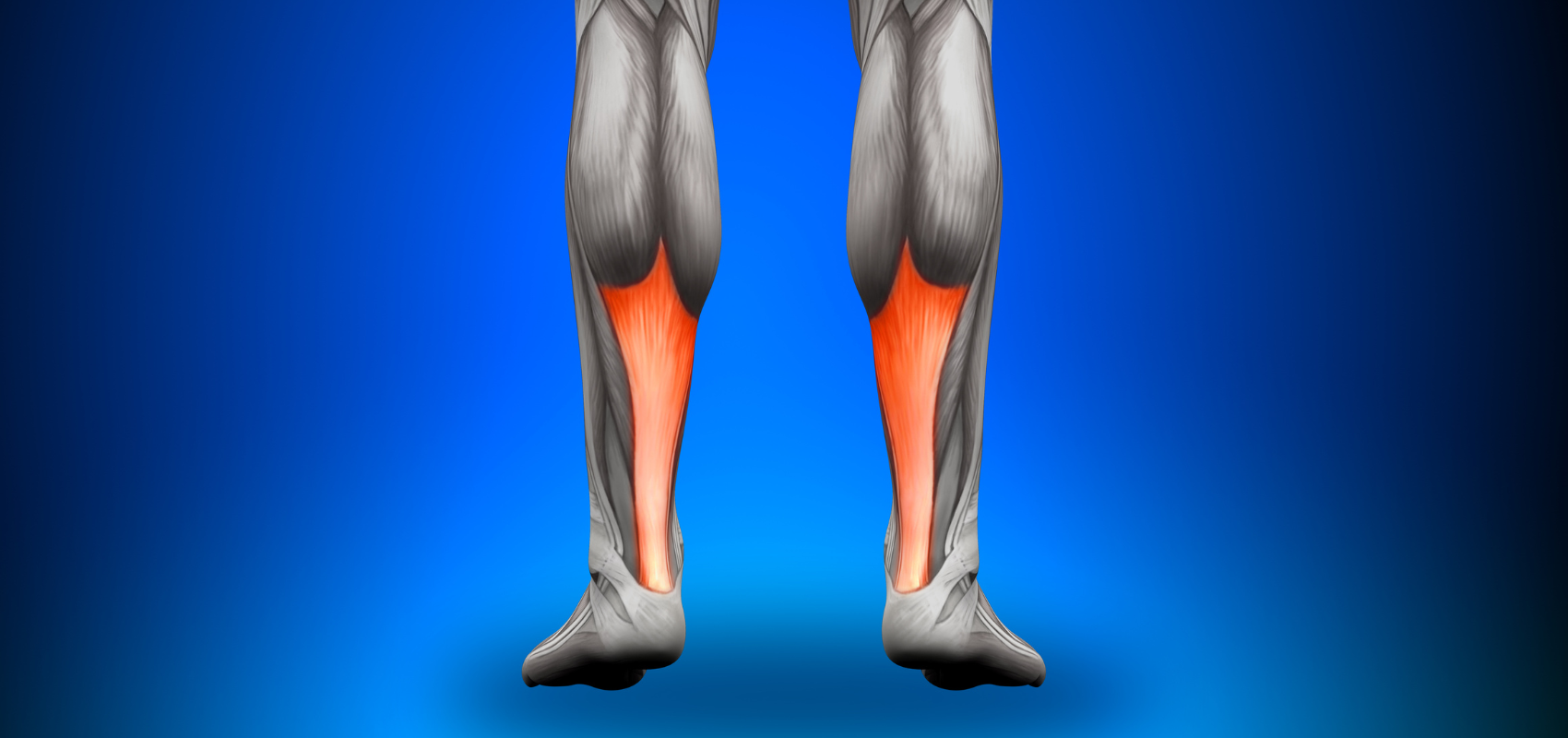
The Achilles tendon is the largest tendon in the body and is essential for running and jumping, and in these cases, an explosive eccentric contraction led to injuries. In all cases, the players were reportedly suffering from calf issues prior to the injury to the Achilles.
Tyrese Haliburton achilles injury replay. You can see the pop… pic.twitter.com/xPRjRn4TSD
— The Sports Place (@offsportsplace) June 23, 2025
For a complete rupture in a high-performance athlete, surgical repair is essential. However, for older or sedentary individuals, a partial or even complete tear may not require surgical intervention. Surgery may involve re-opposing the torn fibers, or, in some cases, grafting tendon to provide integrity to a defect in the repair. Post operatively, a period of about three to four weeks of immobilization and non-weight bearing to allow the tendon fibers to heal properly is important. This is followed by a walking boot and early mobilization to prevent excessive scar tissue formation.
Physical therapy is very important to provide blood supply to the area, restoration of function, and to build strength that will once again provide for that explosive ability on the court. Mild therapy begins after the cast has been removed, and then more aggressive therapy at about four weeks. Typically, full recovery for most would be four to six months, but at least eight to ten months and up to twelve months for more demanding physical activity.
I could foresee these players not returning to play next season, in order to rehabilitate properly to achieve full strength and flexibility. All will depend on their rehab and whether they can achieve full restoration of strength and full function—having suffered myself a tear of my medial head of the gastrocnemius after running back-to-back marathons, it took a full year to totally recover and return to my running career. Physical therapy and deep cross friction massage helped greatly in my recovery.
In addition to the surgeon, team trainers and physical therapists are the key to how well these players will recover and achieve their preinjury status. Keeping a positive psychological outlook and motivation is also important for these players, which I have no doubt they possess.
Jeffrey Ross, DPM, MD, FACSM, is a doctor of podiatric medicine, specializing in foot and ankle surgery in Houston, Texas.